Galileo and Einstein
Physics 1090 Fall 2026
Course Instructor: Craig Dukes
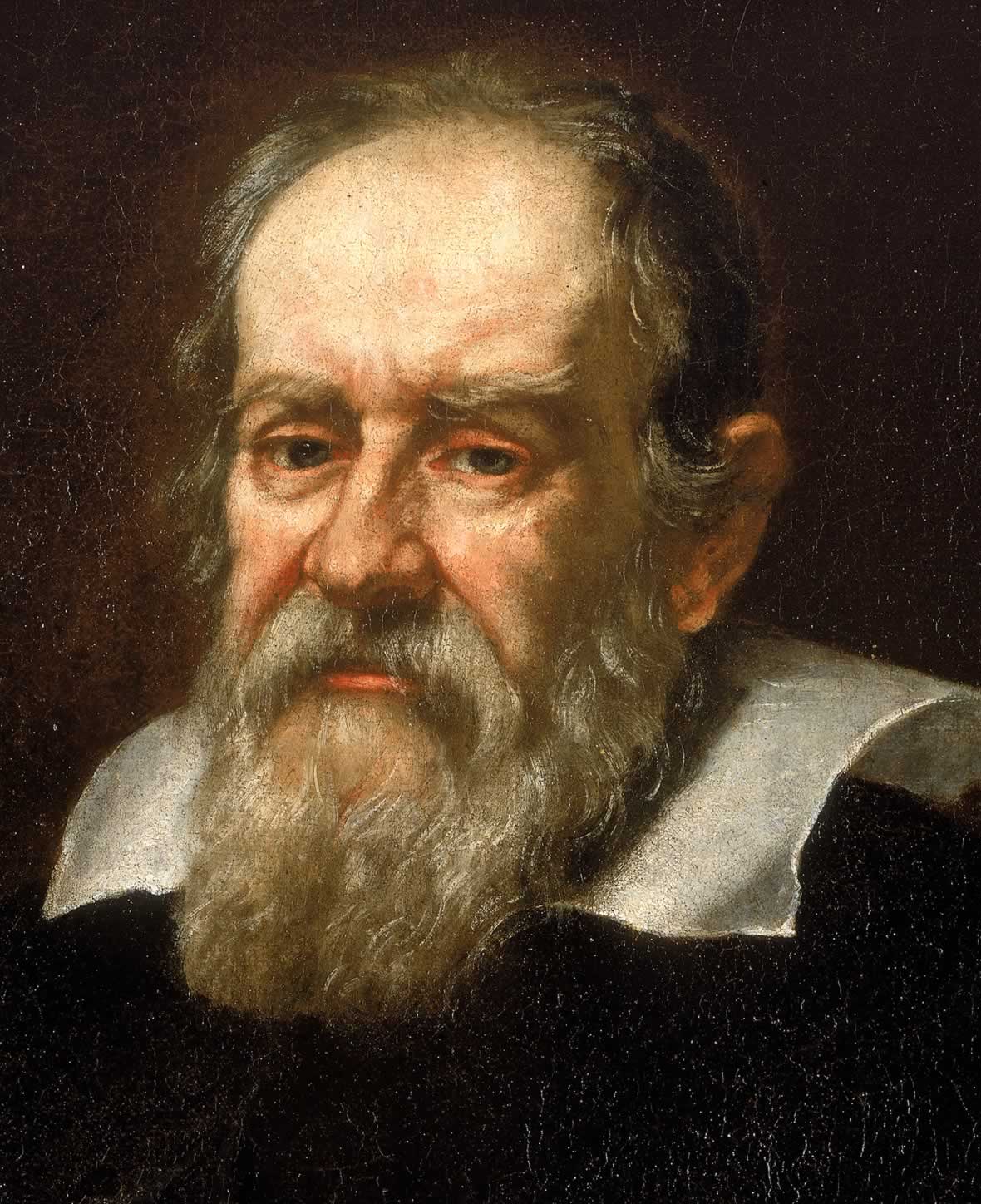
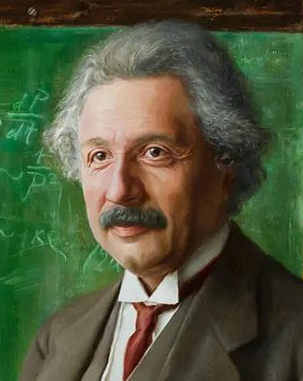
Examines how new understandings of the natural world develop, starting with the ancient world and emphasizing two famous scientists as case studies. Galileo was the first to make subtle use of experiment, while Einstein was the first to realize time is not absolute and that mass can be converted to energy.
This course explores two revolutions in our perception of the universe. The first, in which Galileo played the leading role, was the realization that what we see in the heavens - the Moon, the planets, the Sun and stars - are physical objects. For example, the Moon has a rocky surface, not unlike some parts of Earth, and is not made of some exotic ethereal substance, as had been generally believed before Galileo. This discovery, together with the mounting evidence that the Earth went round the Sun, led Newton to the realization that the motions of the Moon and planets obeyed the same physical laws as ordinary things (like flying cannonballs) here on Earth. Newton put this all together to give the first unified picture of the Universe.
The second revolution was Einstein's realization that this was not the whole truth - space and time are not as straightforward as they first appear, but are related to each other in a simple but unexpected way. Among other results, this leads to the surprising consequence that mass and energy are different aspects of the same thing!
This course is most commonly taken by students who wish to fulfill their science requirements. We welcome all students who wish to take the course, regardless of their majors or backgrounds.
None but an interest in what science is. The math will be high-school level algebra and geometry.
Class Web Site |
http://fpg.phys.virginia.edu/phys1090/2026-fall/home.shtml Refer to the class web page for up to date information. However, announcements made in class always supersede any information given on the class web page. |
||||||||||||||||||
Location and Time |
TuTh, Physics 220, 9:30-10:45 AM |
||||||||||||||||||
Course Instructor |
|
||||||||||||||||||
Teaching Assistant |
| ||||||||||||||||||
Office hours and Location |
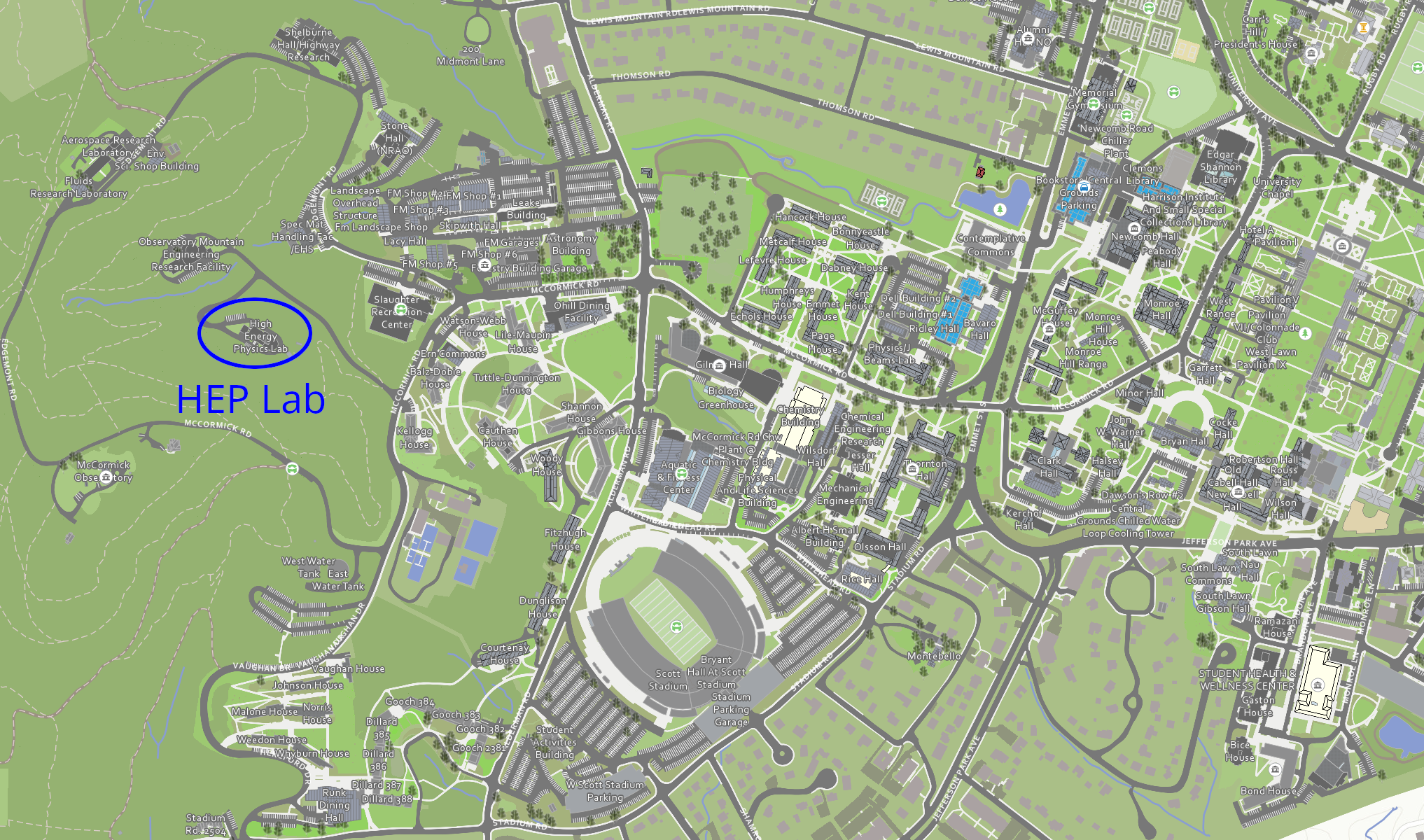
Office hours are available as a resource for questions about the text, lectures, and homework exercises. Do not be shy about attending them. My Note that my main office is, which is in the High Energy Physics Laboratory, so you won't find my there at any other time.
Office hour times are given below.
In case you need to meet me in my office, a map to it is here. Note: this is not where I hold my usual office hours. | ||||||||||||||||||
Prerequisites |
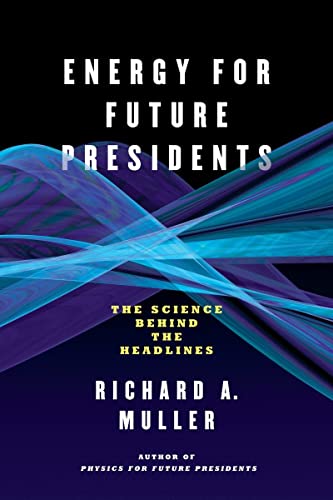
None but an interest in what energy is, where it comes from, where it goes, and why it is vital to modern societies. The math will be high-school level algebra: no Calculus. |
||||||||||||||||||
Text |
|
||||||||||||||||||
Exercises (Homework) |
Physics, like any other mental or physical endeavor, cannot be learned without practice, which is the purpose of the exercises that will be assigned bi-weekly. The questions will be posted on Canvas. It is important that your solutions to these assignments are either printed legibly or typed. Answers that are not will be graded off. | ||||||||||||||||||
Exercises (In-Class) Learning Catalytics |
Problems will be given during class, where your response will be recorded using Learning Catalytics. In order to do so you will need to bring to each class either a laptop, tablet, or smart phone in which to record your responses. You will need to purchase an account with Learning Catalytics. It is relatively inexpensive (~$12/6 months; ~$20/12 months). Written instructions on how to do so can be found shortly here. Note:
For each problem you will receive 70% for any answer, and another 30% for getting it right. In order to account for illness, forgotten or malfunctioning laptops, tablets, or smart phones, and other unavoidable absences, you are allowed 4 pre-excused absences: that is, your four lowest scores will be dropped. |
||||||||||||||||||
Energy in the News |
Roughly every other week of class each student is required to find one article in the news that concerns some aspect of energy. For example "Europe decides to declare nuclear power as green energy" or "coral reefs in Australia are coming back despite global warming". Two students will be selected at random to give five to ten-minute presentations on the topic at the beginning of each lecture. You are required to write a one paragraph description and critique of the article. The article should be put in electronic format, PowerPoint, pdf, jpg, or png. Each artcle is to be uploaded no later than Friday midnight using Canvas Assignments. You will be granted an automatic one-day extension until Saturday midnight. I will read each of your articles every week. I will sometimes ask a student to go to the front of class to defend his/her article.. You will be graded on the presentation, your response to questions, and your ability to critique the article. If I call on you and you are not in class then your in-class presentation grade will be reduced by 25% unless you are sick or are participating in a sanctioned sports event. |
||||||||||||||||||
Midterm Exams |
Two midterm examinations are scheduled during the semester (see the Calendar). All exams are multiple-choice, closed-book and problem-oriented. If you miss an exam without a valid excuse, you will receive a score of zero. Valid excuses include university-sponsored travel, serious illness, personal crises, and other emergencies. Except in the case of emergencies, you must contact your instructor prior to the exam to approve your absence. Supporting documentation from your doctor or dean may be required. If approved, you will be exempted from the exam, with the other exams scores reweighted accordingly. Formulas and constants will be provided for the midterm and final exams. You may not bring your own. A study guide will be provided. |
||||||||||||||||||
Final Exam |
The final exam will be comprehensive of the course. Formulas will be given. See the calendar for the date. | ||||||||||||||||||
Assessment |
The relative weights of the components to your final grade are given as follows:
|
||||||||||||||||||
Attendance |
Incompletes are not given for the course; if for whatever reason you cannot keep up with the course requirements, then you are expected to withdraw from the course. |
||||||||||||||||||
Academic Integrity |
Submission of solutions by groups or
direct copying of solutions from the internet or another student is
not acceptable (and a poor strategy). Talk to your friends about how
to do a problem, but make sure you actually do it yourself!
For midterm and final exams, you must work by yourself. Collusion with other students or use of non-allowed resources is a clear violation of the honor code. If you cheat, you will be assigned a score of zero on the exam and reported to the Honor Committee. |
||||||||||||||||||
Course Rules |
Please read these
course rules. By registering for this course you are agreeing
to abide by these rules.
|
||||||||||||||||||
Useful Links |
|
||||||||||||||||||
Instructor Resources |
|